









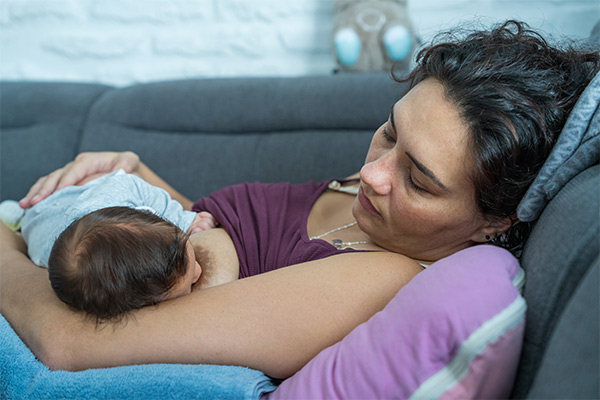
Postpartum Care Is More Than Rest: The First 40 Days After Birth
When a newborn is born, the world celebrates the newborn. Visitors and guests arrive with gifts and every tiny milestone becomes a moment of joy. But amid all the excitement, mother is often expected to quitely recover, adapt and carry on. Childbirth may last a few hours, but recovery is a much larger journey. In fact, some of the most physical and emotional changes happen after delivery, not before it. This is why the first 40 days after birth are considered one of the most important phases in a woman’s life.
In Indian culture, the first 40 days after birth are not just about physical recovery; they are seen as a period of restoration, bonding, and after pregnancy care for both the mother and the newborn. Often referred to as “Sutika Kala,” this tradition is rooted in the understanding that a mother's well-being is just as important as a newborn's care. This phase emphasizes nourishing food, adequate rest, emotional support, and holistic healing to help mothers regain their strength while adjusting to their new role.
Understanding After Pregnancy Care in the First 40 Days
While traditions have long recognized the importance of postpartum recovery, modern medicine reinforces the same message. Experts in obstetrics and gynecology emphasize that a woman's body continues to heal for weeks and sometimes months after delivery. Whether it is recovery from a normal birth or a cesarean section, the body undergoes significant changes that require attention, patience, and proper medical support.
Physical healing is just one aspect of the journey. Many new mothers undergo tiredness, lack of sleep, emotional changes, difficulties with breastfeeding, and sensations of anxiety or being overwhelmed. The postpartum phase can be emotionally challenging, so support from family and professional advice are both crucial. Initiating discussions about maternal mental health can make women feel acknowledged and motivate them to pursue assistance when necessary.
Dietary intake is also vital during this phase. A nutritious diet high in proteins, vitamins, minerals, and fluids promotes recovery, enhances energy, and assists in breastfeeding. Along with sufficient rest and gradual physical activity, proper nutrition establishes the basis for healthy recovery after childbirth.
Why Professional Postpartum Care Matters for New Mothers
Regular follow-up appointments are another essential aspect of after pregnancy care. These visits allow healthcare professionals to monitor recovery, address concerns, and identify any complications early. Seeking care from experienced specialists at a trusted gynecology hospital can help ensure that mothers receive the support they need during this transition.
Today, more attention is focused on maternal health, and more parents realize that mother's health is a crucial step for infant care. This has led most medical institutions, including leading mother and child hospitals, to provide complete postpartum care for both mothers and newborns.
Most Popular this Month

IVF treatment in Delhi: Process, success rates & choosing the right specialist
IVF Treatment in Delhi: Process, Success Rates & Choosing the Right Specialist
Laparoscopic myomectomy: Fibroid removal surgery explained
Laparoscopic Myomectomy: Fibroid Removal Surgery Explained
Ovary surgery explained: Types, recovery & what to expect
Ovary Surgery Explained: Types, Recovery & What to Expect

Types of Pregnancy Delivery: Normal, C-Section & More
Normal, C-Section, Water Birth & More: Types of Pregnancy Delivery Methods Explained