









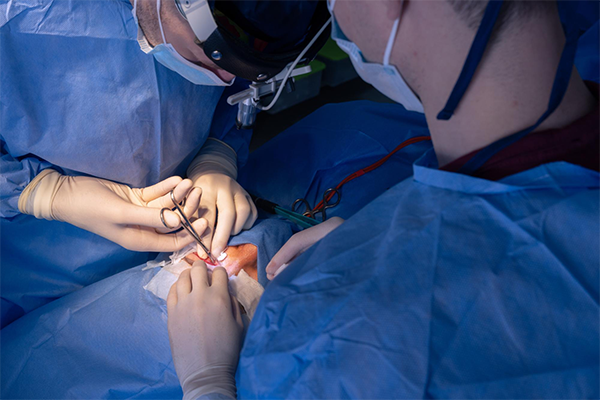
Laparoscopic myomectomy: Fibroid removal surgery explained
Uterine fibroids are among the most common gynaecological conditions, and a diagnosis often brings immediate questions about whether removal is necessary and how it could affect fertility. Laparoscopic myomectomy, also referred to as lap myomectomy surgery or uterine fibroid removal surgery, is one of the surgical options available for removing certain fibroids while keeping the uterus intact, and it does not always call for a large abdominal incision.
Whether this procedure suits your case depends on several factors: the size, number and location of the fibroids, along with your symptoms and any plans you may have for pregnancy.
What Is Laparoscopic Myomectomy?
Uterine fibroids are non-cancerous growths that form in or around the uterus. And they're common. Approximately 30% of women get fibroids. Most cause no trouble at all. Some do: heavy periods, pelvic pressure, pain, trouble conceiving.
How Is Myomectomy Different From a Hysterectomy?
Once symptoms get serious, or fibroids start affecting fertility, your gynaecologist might bring up surgery. Here's where it differs from a hysterectomy: a myomectomy removes the fibroids but leaves the uterus where it is. For anyone hoping to preserve the uterus, or have children down the line, that's not a small detail.
How Is Laparoscopic Myomectomy Done?
So what does the procedure actually look like? During a laparoscopic myomectomy procedure, the surgeon works through a few small cuts in the abdomen rather than one large one. A thin camera, the laparoscope, goes in through one of them. Other slim instruments go in through the rest to find and remove the fibroids. Smaller cuts, less pain afterwards, quicker recovery, at least when the case allows it.
Not every case does, though. Fibroids that are too large, too many, or awkwardly placed can push things toward open surgery instead.
How Does Fibroid Removal Affect Fertility?
The fibroids and fertility connection isn't as clear-cut as people assume. Fibroids don't automatically cause infertility. If conceiving is proving difficult, other causes are worth ruling out too. But fibroids that distort the uterine cavity can, in some cases, interfere with conception or with carrying a pregnancy.
That's partly why myomectomy gets considered for women planning pregnancy; the fibroid comes out, the uterus stays. Surgery isn't free of trade-offs either. It can leave some internal scarring, which is why doctors usually plan pregnancy after myomectomy carefully, alongside an obstetrician.
Your doctor, then, isn't just reacting to the fact that a fibroid exists. Size. Location. Symptoms. Your age. Your plans for children. All of it plays into the call.
Myomectomy Recovery Time: What to Expect
The myomectomy recovery time depends on the surgical approach and how extensive the procedure ends up being. Laparoscopic surgery tends to bounce back faster than open abdominal surgery, though tiredness and soreness for a few days after is completely normal.
Your doctor will tell you when to ease back into work, exercise, driving, all the usual stuff. Just because the outside incisions are small doesn't mean you're done healing. The inside takes its own time. Rushing back into anything strenuous too soon isn't worth it.
Keep an eye out for warning signs: worsening pain, fever, heavy bleeding, redness or discharge near the incision. Any of that shows up, call your healthcare team. Don't wait it out.
Laparoscopic myomectomy can work well for the right candidates, women with symptomatic fibroids who want to keep their uterus intact. But there's no one-size-fits-all answer here. A conversation with your gynaecologist, covering your symptoms, your fertility plans, and the options in front of you, is really the only way to know if surgery makes sense, and which kind.
Most Popular this Month

IVF treatment in Delhi: Process, success rates & choosing the right specialist
IVF Treatment in Delhi: Process, Success Rates & Choosing the Right Specialist
Ovary surgery explained: Types, recovery & what to expect
Ovary Surgery Explained: Types, Recovery & What to Expect
Types of Pregnancy Delivery: Normal, C-Section & More
Normal, C-Section, Water Birth & More: Types of Pregnancy Delivery Methods Explained

Online Gynaecologist consultation: How it works & when to book one
Online Gynaecologist Consultation: How It Works & When to Book One