









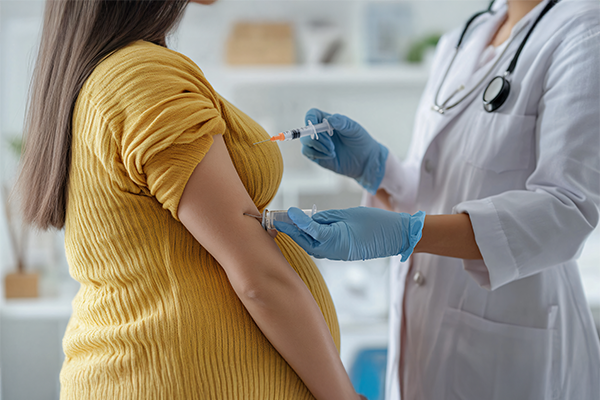
Cervical Cancer Prevention After Pregnancy: Screening & HPV
Recovering from childbirth isn't only about healing after delivery. It's also a chance to catch up on preventive healthcare that may have been postponed during pregnancy. Cervical cancer screening and HPV vaccination are an important part of that conversation, helping protect your health long after the postpartum period.
Despite cervical cancer being largely preventable, fewer than 2% of Indian women aged 30-49 years have ever undergone cervical cancer screening. This highlights the importance of timely screening and follow-up, particularly for women who may have delayed routine check-ups during pregnancy.
Understanding cervical cancer prevention after pregnancy can help you make informed decisions about your long-term health, including when to schedule screenings, whether you're eligible for the HPV vaccine, and the simple steps you can take to support your cervical health.
Why Cervical Health Shouldn't be Overlooked
Pregnancy alone doesn't put you at higher risk of cervical cancer but might be an interruption of regular testing. After you've given birth, it's important to get caught up with any screening test you should have received before or during pregnancy, as advised by your doctor. Taking care of your postpartum cervical health can really help to keep on track of your routine screenings and support long-term health and wellbeing.
When Is a Pap Smear Recommended After Delivery?
The right time for a Pap smear after delivery depends on the patient's recovery, as well as the patient's past medical history. If routine screening Pap smears were overdue by the time of the delivery, the doctor will discuss about the need for the next Pap during the postnatal check-up. If a patient has an abnormal history on a Pap smear and her tests for the next screening need closer monitoring, then there will be a separate schedule decided by the gynaecologist and the obstetrician.
Should You Consider the HPV Vaccine After Pregnancy?
If you never got the vaccine, or were unable to complete the dose for any reason, your doctor may advise you to restart the vaccine dose after pregnancy. What to know about the vaccine post-pregnancy. A vaccine following pregnancy may protect against types of human papillomavirus that increase your risk of developing cervical cancer. If you already have an HPV infection, the vaccine can't cure it, so it's important to take the dose with regular screening for long-term protection.
When Might a Colposcopy Be Needed?
A colposcopy after childbirth is generally suggested if your doctor is unable to get a clear view of the inside of your cervix through initial examinations (perhaps a recent abnormality from an initial test, or if a further review of the cervix post-baby is needed due to any concerns during the pregnancy). It usually occurs when your cervix is in a fully healed state after birth.
Everyday Steps That Support Cervical Health
While screening and vaccination remain the foundation of prevention, everyday choices also contribute to cervical health.
You can support your health by:
● Keeping up with cervical screening appointments.
● Completing the HPV vaccination schedule if you're eligible.
● Avoiding smoking, which is associated with a higher risk of cervical cell changes.
● Eating a balanced diet and staying physically active as you recover.
● Speaking to your doctor about any unusual bleeding, persistent discharge, or other symptoms that concern you.
Taking Care of Yourself After Pregnancy
Having a new baby doesn't mean you have to neglect yourself. A postpartum visit is a great opportunity for you to speak with your doctor about a wide range of issues, including cervical cancer screenings and the HPV Vaccine. This is the best chance to prevent future diseases with preventive care. Consult with your doctor about the right tests and vaccines for you. Due for a postpartum cervical screening or HPV vaccine? Book a consultation with TWH's specialists.
Most Popular this Month

IVF treatment in Delhi: Process, success rates & choosing the right specialist
IVF Treatment in Delhi: Process, Success Rates & Choosing the Right Specialist
Laparoscopic myomectomy: Fibroid removal surgery explained
Laparoscopic Myomectomy: Fibroid Removal Surgery Explained
Ovary surgery explained: Types, recovery & what to expect
Ovary Surgery Explained: Types, Recovery & What to Expect

Types of Pregnancy Delivery: Normal, C-Section & More
Normal, C-Section, Water Birth & More: Types of Pregnancy Delivery Methods Explained