









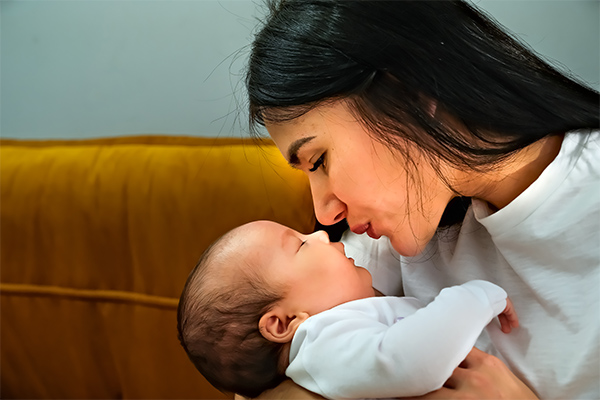
C-Section Recovery: What New Mothers Should Know After Delivery
Everyone talks about caring for a newborn, but how often do we talk about caring for the mother? After a C-section, recovery becomes just as important as caring for your baby.
A Caesarean section (C-section) is one of the most commonly performed surgical procedures worldwide. According to recent global estimates, cesarean deliveries account for approximately 21% of all births worldwide, and this proportion is expected to increase further in the coming years. While it is often a safe and necessary baby delivery operation, recovery requires patience, proper after pregnancy care, and adequate medical support.
What Happens After a C-Section Delivery?
Unlike a vaginal birth, a C-section involves major abdominal surgery. During the first few days after delivery, it is normal to experience pain around the incision site, fatigue, mild vaginal bleeding, and discomfort while moving.
Most women stay in the hospital for two to four days after surgery. During this period, doctors provide guidance on pregnancy care tips to support healing and reduce the risk of complications. Gentle walking is often encouraged as it helps improve circulation, supports recovery, and lowers the risk of blood clots. Choosing a trusted hospital for delivery can ensure access to experienced doctors and post-surgical care.
Self-Care Tips for Faster Recovery
Sleep is absolutely essential for recovery purposes. Mothers need to take as much rest as they can during the first few weeks after childbirth. Hydration, proper nutrition with sufficient amounts of protein, and lack of physical exertion will aid greatly in the process of healing.
Consulting with the doctor regularly and following his instructions will be equally important. These simple pregnancy care tips can help reduce complications and support a smoother recovery.
How to Care for Your C-Section Incision
Proper wound care is essential to prevent infection and support healing. To care for your incision:
Keep it dry: Keep the wound area clean and dry.
Follow medical advice: Follow your doctor’s advice on washing and changing dressings.
Stay vigilant: Monitor condition of the wound site for any signs of infection.
If you experience redness, swelling, discharge, fever, or pain around the incision, seek help from your doctor. Early intervention can help prevent complications and promote faster healing.
Managing Physical and Emotional Recovery
Some discomfort is expected during the first few weeks after surgery. Taking prescribed medications, maintaining proper posture, and engaging in gentle movement can help improve mobility and reduce pain.
Recovery is not just physical. Comprehensive women's health care includes both physical recovery and emotional wellbeing after childbirth. Hormonal changes, sleep deprivation, and the adjustments of caring for a newborn can affect mental health. While occasional feelings of anxiety or overwhelm are common, persistent sadness, excessive worry, or difficulty bonding with your baby should be discussed with a healthcare professional.
Warning Signs You Should Never Ignore
While most women recover without complications, certain symptoms require immediate medical attention. Women under the care of an obstetrics and gynecology specialist should seek help if they experience:
Heavy bleeding
High fever
Severe abdominal pain
Difficulty breathing
Leg swelling
Signs of wound infection
Supporting a Healthy Recovery After a C-Section
Every mother's recovery journey is unique. With proper after pregnancy care, regular medical follow-ups, and support from an experienced women's health care team, most women recover well and gradually regain their strength. Seeking care from a trusted mother and child hospital can provide expert guidance throughout recovery.
Remember, healing is a journey, and by following essential pregnancy care tips, you can support recovery, regain confidence, and enjoy the early days of motherhood with your baby.
Most Popular this Month

IVF treatment in Delhi: Process, success rates & choosing the right specialist
IVF Treatment in Delhi: Process, Success Rates & Choosing the Right Specialist
Laparoscopic myomectomy: Fibroid removal surgery explained
Laparoscopic Myomectomy: Fibroid Removal Surgery Explained
Ovary surgery explained: Types, recovery & what to expect
Ovary Surgery Explained: Types, Recovery & What to Expect
Types of Pregnancy Delivery: Normal, C-Section & More
Normal, C-Section, Water Birth & More: Types of Pregnancy Delivery Methods Explained