








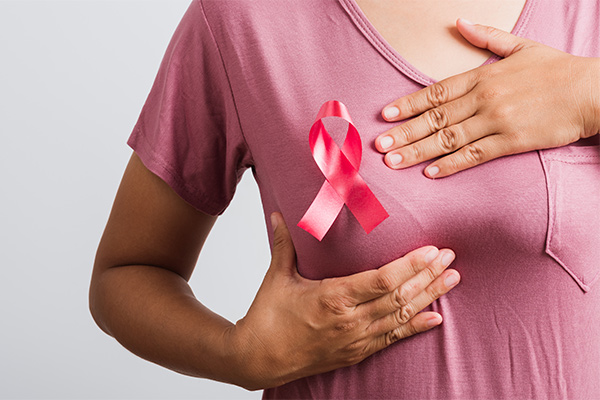
Breast Cancer Treatment: Surgery, Chemo & Recovery
Breast cancer was projected to be the most common cancer among women in India in 2025, with an estimated 2,38,908 cases. For a woman receiving this diagnosis, the next few questions can come quickly: What stage is the cancer? Will surgery be needed? Is chemotherapy necessary? And what will recovery look like?
Breast cancer treatment doesn't offer a single treatment plan. The approach depends on factors such as the stage and type of cancer, the characteristics of the tumour, hormone receptor and HER2 status, and the woman's overall health. Understanding the available treatment options can help make these decisions a little easier to navigate and support more informed conversations with the treating team.
Understanding Breast Cancer Stages and Treatments
The stage of your breast cancer indicates the size of the tumor and whether cancer has invaded nearby lymph glands or has spread elsewhere in the body. In other words, breast cancer stages explained range from early-stage cancer confined to the breast or nearest lymph nodes, to advanced stage disease that has traveled to distant parts of the body.
However, the stage alone may not determine the right course of treatment. Other elements taken into consideration include the type of breast cancer, its hormone receptor status (positive or negative) and HER2 status as well as specific tumor characteristics and the patient's general health.
So, how is breast cancer treated? Treatment can consist of one or a combination of these measures; surgery, chemotherapy, radiation therapy, hormonal treatment, targeting treatment, or a mix of treatments which can all occur, dependent on the exact diagnosis that is made the most of. Not all of the treatments mentioned above necessarily occur as part of the healing strategy though not everyone will require the combination of therapies.
Surgery, Chemotherapy and What Recovery Can Involve?
Surgery is a key treatment for many women who battles with breast cancer. The two main types of breast cancer surgery are a lumpectomy, which aims to take out just the cancerous cells with the remaining breast left intact and a mastectomy, which removes the whole breast. Depending on the diagnosis, the doctor may examine the lymph nodes.
Chemotherapy medicines kill cancer cells and prevent them from growing. It can be given before surgery to shrink the tumour or after surgery to reduce the chance that it will come back. It's not necessary for every woman that are being treated for breast cancer needs to be treated with chemotherapy. Factors such as the nature of the particular cancer will determine whether chemotherapy is required or not.
The side effects of chemotherapy for breast cancer can also vary between individuals; possible side effects include hair loss, loss of appetite, mouth sores, lack of energy and constant fatigue. Doctors offer medication to overcome some of these effects.
Radiation therapy may be advised as a follow-up treatment after lumpectomy surgery. Hormonal therapies, specific medications, and immunotherapy are also advised for certain types of breast cancer.
Recovering from cancer does not stop when the treatment finishes. Many women can still find their body needs some time to fully get back to itself after surgery, and also recover to be able to keep the effects of such drugs as chemo well managed, be it fatigue, pain, the appearance of their body and the emotional scars of treatment.
Follow-up appointments are an important part of recovery. They allow the medical team to monitor healing, manage ongoing side effects and review any medicines or further treatment that may be needed.
A breast cancer diagnosis can change a woman's life, but she does not have to understand or manage every part of the treatment journey at once. Knowing the available options and having open conversations with the treating team can help make each next step clearer.
Navigating breast cancer symptoms? Book a consultation with TWH's breast cancer care team.
Most Popular this Month

IVF treatment in Delhi: Process, success rates & choosing the right specialist
IVF Treatment in Delhi: Process, Success Rates & Choosing the Right Specialist
Laparoscopic myomectomy: Fibroid removal surgery explained
Laparoscopic Myomectomy: Fibroid Removal Surgery Explained
Ovary surgery explained: Types, recovery & what to expect
Ovary Surgery Explained: Types, Recovery & What to Expect
Types of Pregnancy Delivery: Normal, C-Section & More
Normal, C-Section, Water Birth & More: Types of Pregnancy Delivery Methods Explained