









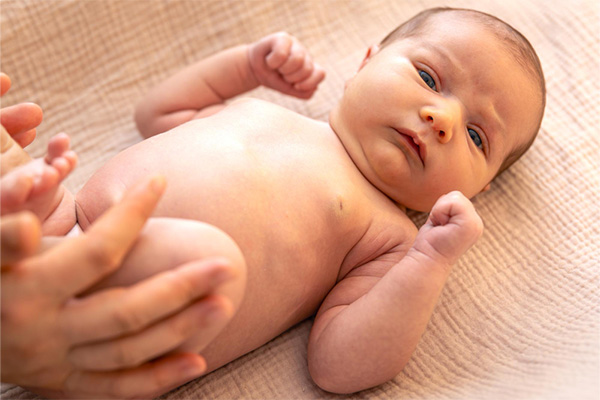
Newborn Jaundice: When Yellow Skin Is Normal and When Your Baby Needs Treatment
A yellow tinge to a newborn’s skin or the whites of their eyes can make any parent worry. Newborn jaundice happens when bilirubin, a yellow pigment produced as red blood cells break down, builds up faster than a baby’s liver can clear it. It is common, but the level, not colour alone, determines whether treatment is needed. If you’re wondering is jaundice in newborn normal, it can be part of the normal transition after birth, but suspected jaundice still needs clinical assessment. If you're searching for newborn jaundice treatment Delhi, look for prompt bilirubin testing.
A 2026 clinical guideline estimates that around 10% of term and preterm newborns develop bilirubin levels that need close monitoring or treatment. That is why screening and follow-up matter, even when a baby initially seems well.
Why Does Newborn Jaundice Happen?
Jaundice often appears after the first 24 hours, usually becoming noticeable around days two or three. A newborn’s liver is still maturing, so bilirubin may build up temporarily. Premature babies, babies who are not feeding effectively, and babies with blood-group incompatibility or bruising may need closer checks.
Parents ask, is jaundice in newborn normal? It is common, but jaundice in the first 24 hours, worsening yellowing or an unwell baby needs prompt medical advice.
How Do Doctors Check Bilirubin?
A clinician measures bilirubin with a skin sensor or blood test. Treatment depends on the level, baby’s age in hours, gestational age and other risks. Skin colour alone is not reliable, especially across different skin tones.
When Is Treatment Needed?
Many babies do not need treatment, but some require phototherapy for newborn jaundice. This uses a special light to help the body clear bilirubin. Clinicians decide when to start it based on bilirubin levels and the baby’s age and risk factors, not simply how yellow the skin looks.
The duration of phototherapy for newborn jaundice varies. Bilirubin is checked again during treatment, and some babies need follow-up testing afterwards to ensure the level does not rise again. Do not try to treat jaundice by placing your baby in direct sunlight; it is not a safe substitute for medical phototherapy.
Warning Signs Parents Should Not Ignore
Seek urgent medical assessment if jaundice appears within the first 24 hours, becomes more pronounced, or your baby is unusually sleepy, difficult to wake, feeding poorly, floppy or stiff, or has jerking movements. A fever, breathing difficulty, dark urine or pale, chalky stools also needs prompt attention. If your baby is jaundiced and difficult to wake or not feeding, seek emergency care.
Where Should You Seek Help?
Feed your baby regularly and ask for breastfeeding support if feeds are difficult, but don’t delay a bilirubin check when jaundice is suspected. If you’re looking for newborn jaundice treatment Delhi, ask whether the hospital can measure bilirubin promptly and arrange paediatric or neonatal review when needed.
Families seeking high risk newborn care Delhi should check whether neonatal specialists can assess a baby who needs closer observation. A hospital offering high risk newborn care Delhi should also explain the monitoring plan clearly and arrange follow-up after discharge. TWH’s Pregnancy, Birth and Newborn Care team provides maternity and newborn support, with a neonatal intensive care unit alongside the delivery suite.
Before choosing a neonatal care unit Delhi, ask about bilirubin monitoring, phototherapy and follow-up arrangements. A neonatal care unit Delhi should be able to explain how treatment decisions are made and when repeat testing is needed. You can also explore TWH’s neonatal intensive care unit information.
If your baby was born early, a premature baby specialist Delhi can help assess the additional risks associated with prematurity. Families looking for a premature baby specialist Delhi should choose a team experienced in newborn assessment and feeding support.
FOR WOMEN. FOR LIFE.
For advice about newborn jaundice treatment Delhi, contact the TWH team for guidance on appropriate assessment and care.
Most Popular this Month

Why Does Sex Hurt in the First Months of Marriage? Common Causes and When to Talk to a Gynaecologist
Why Does Sex Hurt in the First Months of Marriage? Common Causes...

Vagina Surgery Types Explained: Prolapse Repair, Leakage Surgery, and Vaginoplasty, and How Doctors Decide Which One You Need
Vagina Surgery Types Explained: Prolapse Repair, Leakage Surgery, and Vaginoplasty, and How...
Neonatologist or Paediatrician: Which Doctor Does Your Newborn Need, and When Does That Change?
Neonatologist or Paediatrician: Which Doctor Does Your Newborn Need, and When Does...

Gestational Diabetes in Indian Pregnancies: When the Sugar Test Is Done and What a High Result Means for You and Your Baby
Gestational Diabetes in Indian Pregnancies: When the Sugar Test Is Done and...