









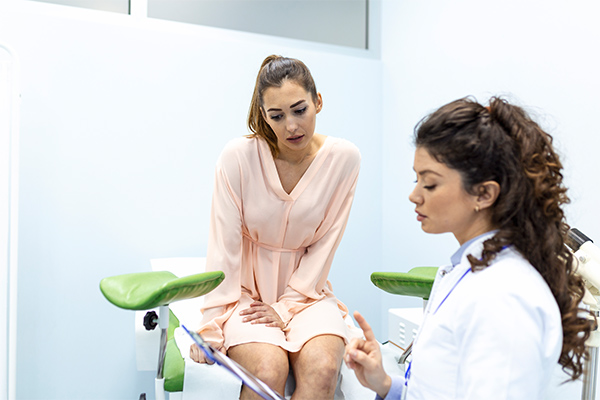
Fibroids and Fertility: Which Fibroids Need Removal Before Pregnancy
Fibroids are relatively common, so if you find out that you have one prior to conceiving, a question of "should I have surgery to remove the fibroid prior to conceiving?" may cross your mind. The answer is usually not a definite yes or no to this question.
The answer is the secret to the fibroids and fertility connection. Not all fibroids affect fertility and not all fibroids need to be removed.
Which Fibroids Are Most Likely to Need Removal?
Submucosal fibroids extend into the endometrial cavity and are the most straightforward types of fibroids to mention prior to pregnancy. These fibroids may be removed if they are altering the uterine cavity in which an embryo would normally implant.
Intramural fibroids are contained in the muscular wall of the uterus. How they may impact fertility is less clear. Submucosal fibroids have the greatest effect on fertility, but the effects of intramural ones are unclear. Subserous fibroids form on the outer surface of the uterus and tend to interfere with fertility less than other types of fibroids. They are rarely removed for fertility reasons unless they are very large, symptomatic or distort the pelvic anatomy.
When Is Myomectomy Considered?
Myomectomy removes a fibroid while keeping the uterus in place. It may be considered when a fibroid distorts the uterine cavity, causes significant symptoms, contributes to infertility or recurrent pregnancy loss, or interferes with fertility treatment.
ACOG recommends looking for other causes of infertility before assuming fibroids are responsible. This is an important part of the fibroids and fertility connection: surgery should have a clear clinical reason.
For suitable fibroids, laparoscopic myomectomy uses small abdominal incisions and a camera to remove the growth. It is different from hysteroscopic myomectomy, which is used for fibroids projecting into the uterine cavity.
What Does the Surgery Involve?
A lap myomectomy procedure is performed under general anaesthesia. The surgeon uses small abdominal openings, a laparoscope and specialised instruments to remove the fibroid. Size, number and location determine whether this approach is suitable.
For appropriate candidates, lap myomectomy surgery may mean smaller incisions and a faster recovery than open abdominal surgery. Still, uterine fibroid removal surgery can involve bleeding, infection, adhesions and, rarely, complications that affect a future pregnancy.
A 2026 systematic review of seven studies involving 1,644 women found a 63% higher chance of ongoing pregnancy or live birth after myomectomy before IVF/ICSI compared with no myomectomy. The authors cautioned that the evidence came from non-randomised studies, so surgery should still be considered individually.
How Long Before Trying to Conceive?
Your myomectomy recovery time depends on the surgical approach, how many fibroids were removed and how deeply the uterus was operated on. Mayo Clinic notes that doctors often advise waiting about three to six months after myomectomy before trying to conceive, although the right timing varies.
After uterine fibroid removal surgery, your specialist may recommend follow-up imaging or review of the uterine scar before you try for pregnancy. The myomectomy recovery time should therefore be planned with your surgeon rather than based on a fixed calendar date.
The Bottom Line
The fibroids and fertility connection is real, but it is different for every woman. Fibroids that distort the uterine cavity are the strongest candidates for removal before pregnancy. Intramural and subserosal fibroids often need a more individual assessment.
If surgery is recommended, ask why that particular fibroid needs treatment, which technique is suitable and how it may affect your pregnancy plans. Understanding your fibroid treatment options can help you have a more informed discussion with your specialist.
Lap myomectomy surgery and laparoscopic myomectomy can preserve the uterus in appropriate candidates, while the right lap myomectomy procedure depends on the fibroid and your reproductive goals.
FOR WOMEN. FOR LIFE.
If you have fibroids and are planning a pregnancy, speak with the TWH team for an individual assessment of your fertility and treatment options.
Most Popular this Month

Why Does Sex Hurt in the First Months of Marriage? Common Causes and When to Talk to a Gynaecologist
Why Does Sex Hurt in the First Months of Marriage? Common Causes...
Vagina Surgery Types Explained: Prolapse Repair, Leakage Surgery, and Vaginoplasty, and How Doctors Decide Which One You Need
Vagina Surgery Types Explained: Prolapse Repair, Leakage Surgery, and Vaginoplasty, and How...
Neonatologist or Paediatrician: Which Doctor Does Your Newborn Need, and When Does That Change?
Neonatologist or Paediatrician: Which Doctor Does Your Newborn Need, and When Does...

Gestational Diabetes in Indian Pregnancies: When the Sugar Test Is Done and What a High Result Means for You and Your Baby
Gestational Diabetes in Indian Pregnancies: When the Sugar Test Is Done and...