









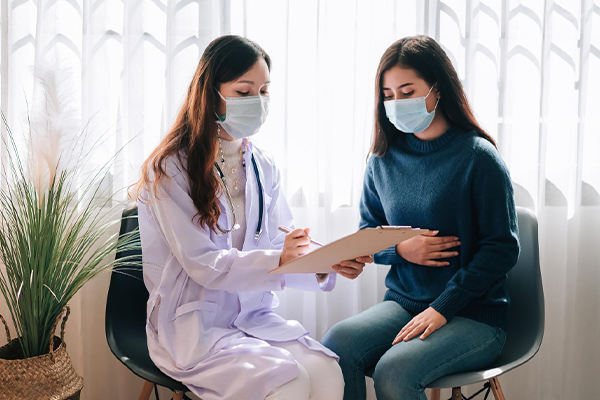
Endometriosis: Symptoms, Diagnosis & Its Link to Fertility
Endometriosis is a chronic condition. Tissue similar to the uterine lining grows outside the uterus, and it doesn't always behave quietly. Painful periods, pelvic pain, pain during sex, bowel or bladder discomfort, heavy bleeding, and difficulty conceiving. All of it is possible. Some women, though, feel almost nothing. No pain, no obvious sign, and that's often the hardest part to diagnose.
Common Symptoms of Endometriosis
Symptoms vary. Widely. Common signs: severe menstrual cramps, chronic pelvic or lower-back pain, pain during or after sex, heavy or irregular bleeding, painful bowel movements or urination during periods, bloating, constipation or diarrhoea, infertility.
Pain intensity doesn't necessarily match how extensive the disease is: mild pain, severe disease; severe pain, barely any disease. Either is possible. If pelvic pain keeps disrupting work, sleep, relationships, or daily life, that's worth a gynaecological evaluation on its own.
How Is Endometriosis Diagnosed?
Diagnosis usually starts with symptoms, menstrual history, and a pelvic exam. Ultrasound or MRI can help spot endometriomas or other abnormalities. Laparoscopy comes in when a definitive diagnosis or treatment is needed.
Endometriosis overlaps with other pelvic conditions often enough: fibroids, adenomyosis, ovarian cysts. Getting the cause right matters before treatment even starts.
Endometriosis, Fibroids and Fertility
Endometriosis can affect fertility. That doesn't mean pregnancy is off the table. The fibroids and fertility connection matters too, particularly when both conditions are present, or when fibroids are the suspected culprit behind difficulty conceiving. Size and location decide a lot here, especially when a fibroid distorts the uterine cavity.
The fibroids and fertility connection isn't something to generalise. Not every fibroid needs to come out. A proper fertility-focused evaluation looks at age, symptoms, fibroid location, ovarian and tubal factors, sperm health, and pregnancy history.
When Is Myomectomy Considered?
When fibroids start causing real symptoms, or distort the uterine cavity, myomectomy comes into the conversation. A uterine fibroid removal surgery takes out the fibroids and keeps the uterus. But uterine fibroid removal surgery isn't automatic; not every woman with fibroids needs it.
For the right patients, a laparoscopic myomectomy procedure works through small abdominal incisions with specialised instruments. Less postoperative discomfort and often a faster return to normal activity than open surgery, though it depends on fibroid size, number, and location.
The laparoscopic myomectomy procedure deserves a proper conversation when pregnancy is still on the table. Your surgeon should be able to say whether removing a specific fibroid helps your reproductive plans, and what risks come with it.
Myomectomy Recovery and Future Pregnancy
Myomectomy recovery time comes down to the surgical approach and the individual case. Laparoscopic recovery is usually quicker than open abdominal surgery, but myomectomy recovery time, and how soon you can resume activity, should come from your surgeon, not a general rule.
You might also hear lap myomectomy surgery mentioned; it's just shorthand for the laparoscopic approach. Lap myomectomy surgery keeps the uterus intact, but planning a pregnancy afterwards still needs personalised guidance. Uterine healing and how deep the surgery went both affect when it's safe to try.
The fibroids and fertility connection, in the end, is just one piece. Age, ovarian reserve, tubal health, male-factor fertility, all of it plays in too.
Treatment Should Match Your Fertility Goals
Endometriosis treatment might mean pain relief, hormones, surgery, or a mix. If pregnancy matters, treatment planning has to hold symptom control and reproductive goals together, not pick one. Fibroid treatment works the same way: symptoms, anatomy, fertility plans decide it, not a standard template.
FOR WOMEN. FOR LIFE.
Pelvic pain, heavy periods, trouble conceiving, or an existing diagnosis of endometriosis or fibroids, any of these is reason enough to speak with the TWH team for a personalised evaluation and fertility-focused care.
Most Popular this Month
Why Does Sex Hurt in the First Months of Marriage? Common Causes and When to Talk to a Gynaecologist
Why Does Sex Hurt in the First Months of Marriage? Common Causes...
Vagina Surgery Types Explained: Prolapse Repair, Leakage Surgery, and Vaginoplasty, and How Doctors Decide Which One You Need
Vagina Surgery Types Explained: Prolapse Repair, Leakage Surgery, and Vaginoplasty, and How...
Neonatologist or Paediatrician: Which Doctor Does Your Newborn Need, and When Does That Change?
Neonatologist or Paediatrician: Which Doctor Does Your Newborn Need, and When Does...
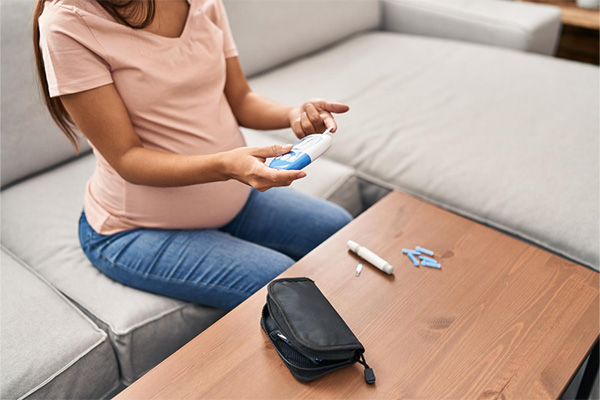
Gestational Diabetes in Indian Pregnancies: When the Sugar Test Is Done and What a High Result Means for You and Your Baby
Gestational Diabetes in Indian Pregnancies: When the Sugar Test Is Done and...